About the Event
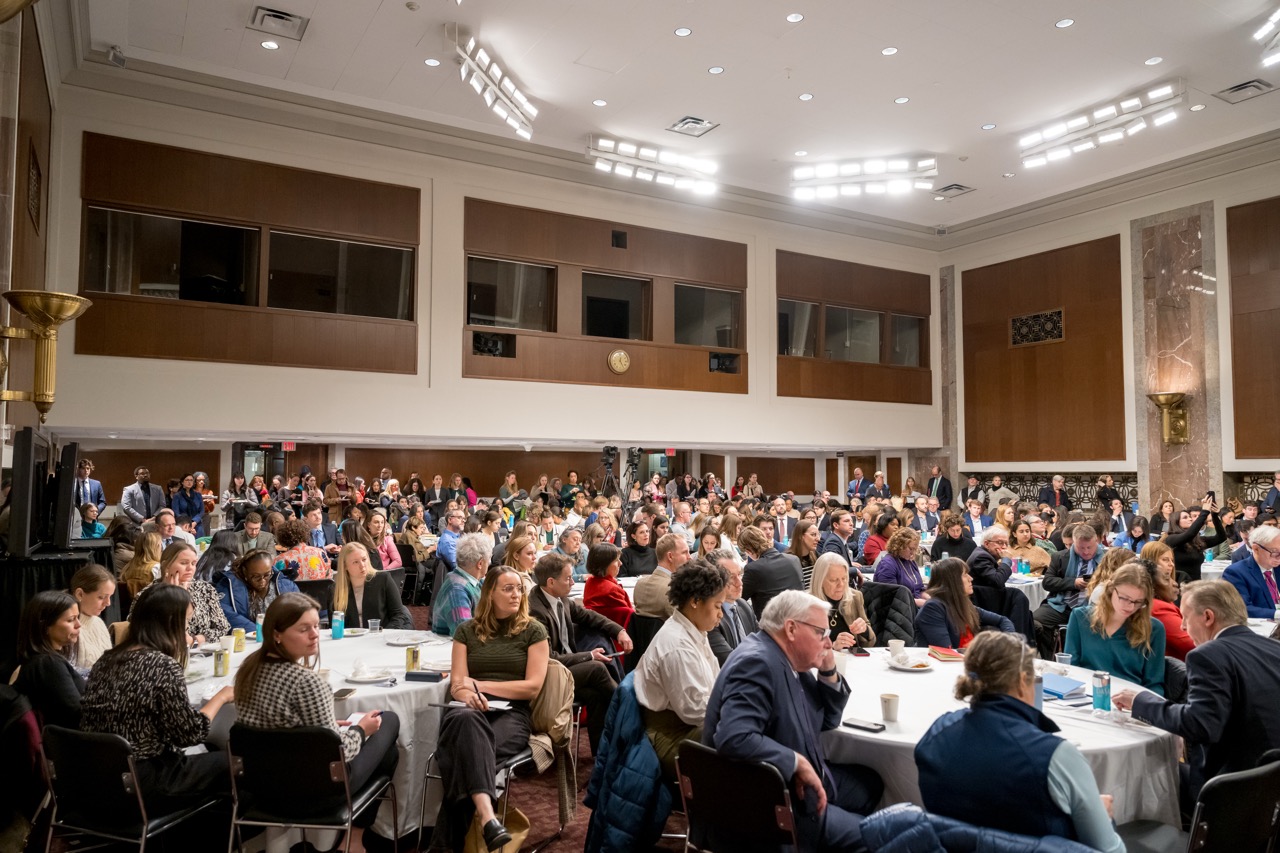
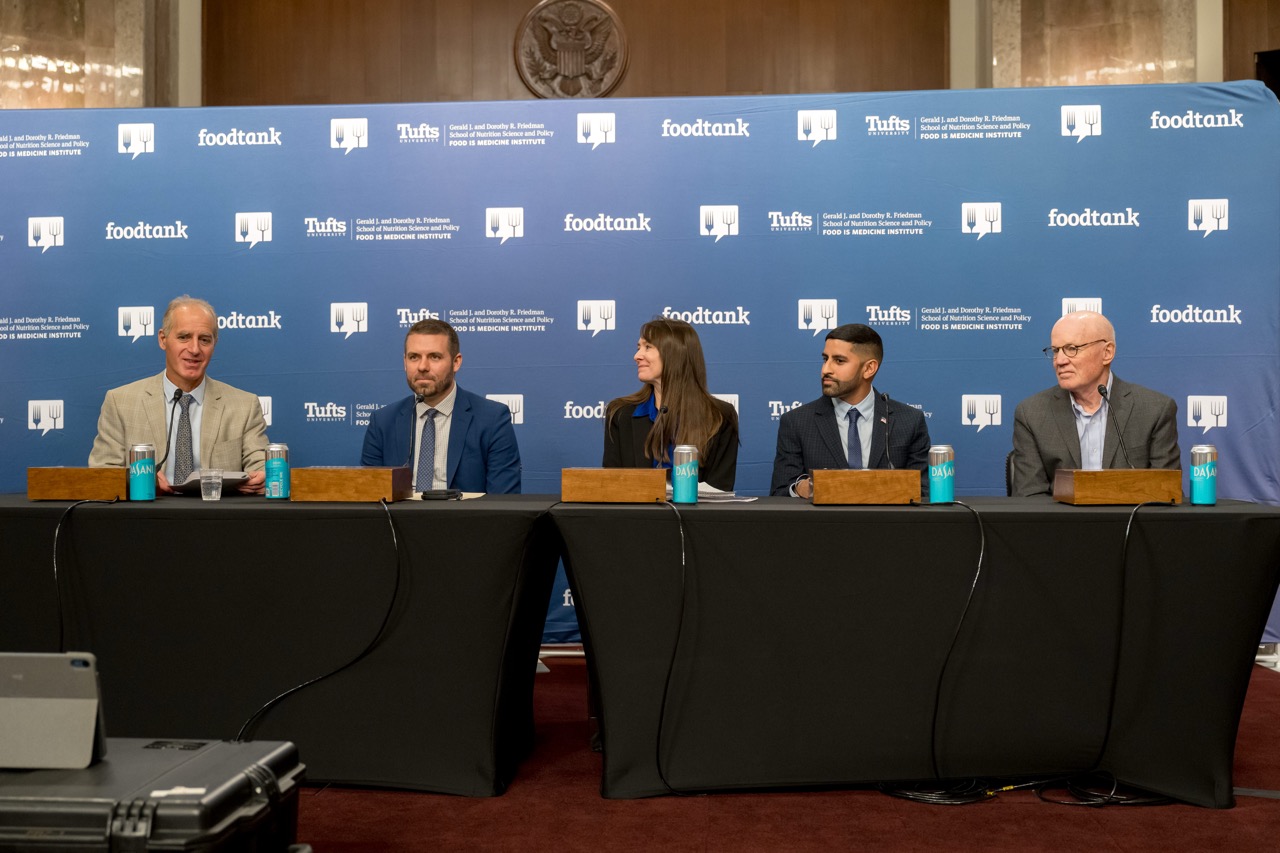
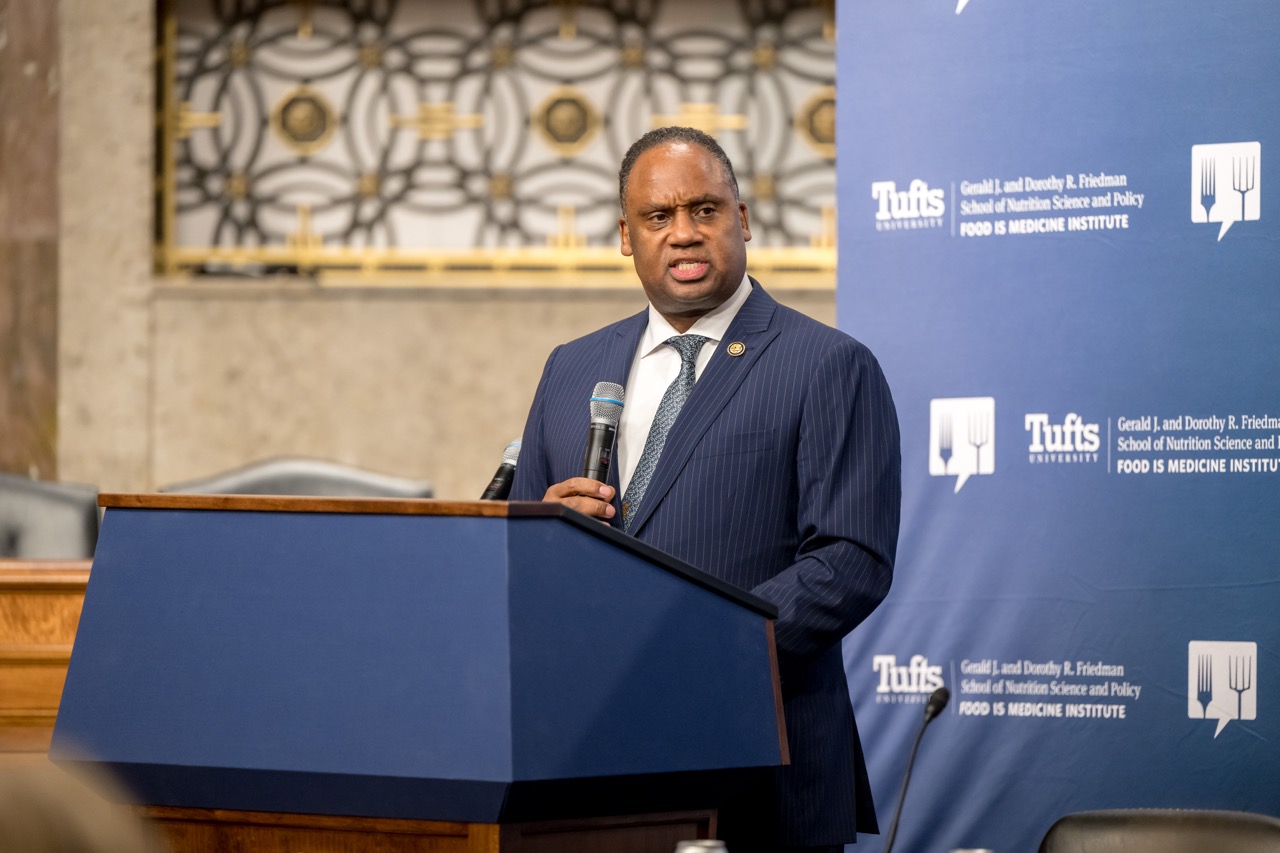
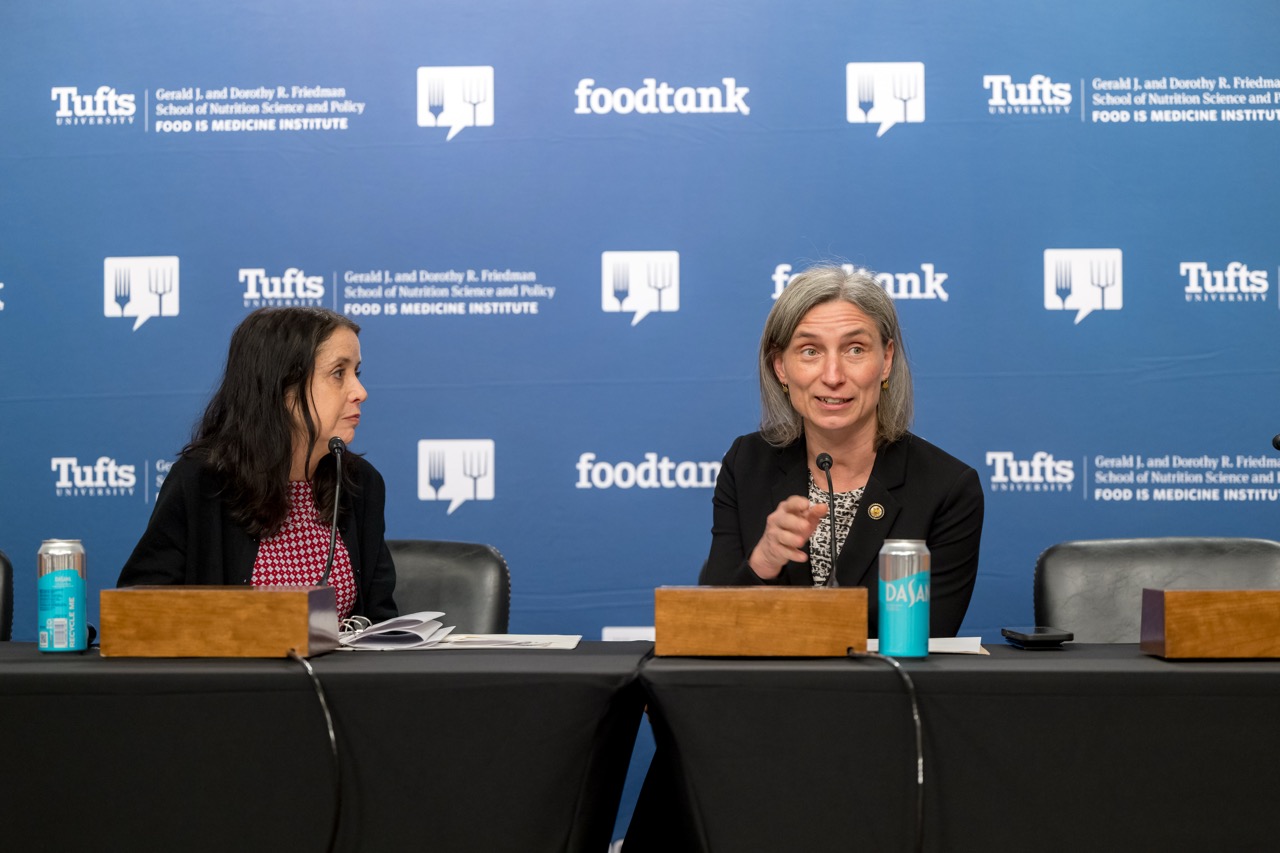
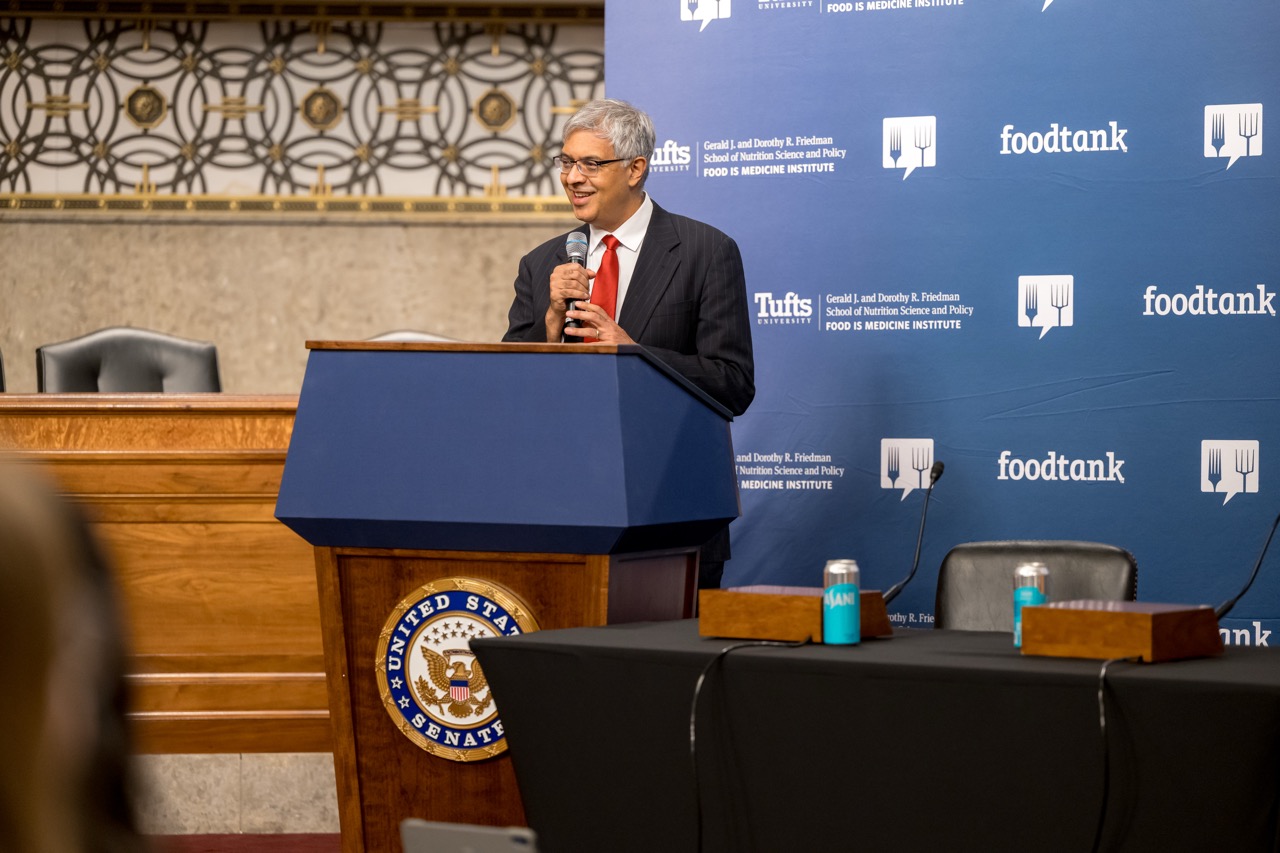
On December 10, 2025, the Food is Medicine Institute and Food Tank hosted a Capitol Hill Luncheon titled “Eating Ourselves Sick? Ultra Processed Foods Policy.” The event was held in the Dirksen Senate Office Building and was also livestreamed. Special thanks to the office of Senator Bill Cassidy for providing the room for the luncheon.
The luncheon brought together lawmakers, policy experts, researchers, food system leaders, and more to discuss the science and health impact of ultra-processed foods and how community and healthcare organizations, as well as state and federal policymakers, are responding. The event attracted approximately 350 in-person and 6,000 virtual attendees.
Examples of Key Points Raised at the Event
- Americans consume 55% of total calories from UPF, and the percentage is even higher (62%) among youth.
- The evidence is clear that UPF pose overall health risks, sufficient to support regulatory action and advise Americans to eat fewer UPF.
- More research is important to clarify how different attributes of UPF contribute to health harms, but available evidence suggests that multiple factors—beyond nutrient content alone—play a role, including level of processing.
- States have pursued various policy levers to address UPF, and speakers at the briefing emphasized the importance of supporting state innovation in these areas.
- In Congress, bipartisan recognition and concern exists about the health and economic implications the country is facing due to poor nutrition, including UPF. Examples of policy responses include:
- Closing the Generally Recognized as Safe (GRAS) loophole, which has allowed the food industry to self-regulate and determine which food substances to classify as GRAS, without notifying FDA or the public. An FDA proposed rule to reform the GRAS system is currently under review at the Office of Management and Budget (OMB).
- Supporting the enforcement of recent Centers for Medicare and Medicaid Services (CMS) guidance that states non-healthy foods are not allowable as Special Supplemental Benefits for the Chronically Ill (SSBCI) within Medicare Advantage.
- Supporting innovative policy changes to the Supplemental Nutrition Assistance Program (SNAP) that would encourage participants to purchase healthier foods and fewer UPFs.
- Supporting nutrition (including UPF) research at the National Institutes of Health (NIH), including the pending $10 million proposal in the House Labor, Health and Human Services (L-HHS) Subcommittee’s Fiscal Year (FY) 2026 bill.
Speakers
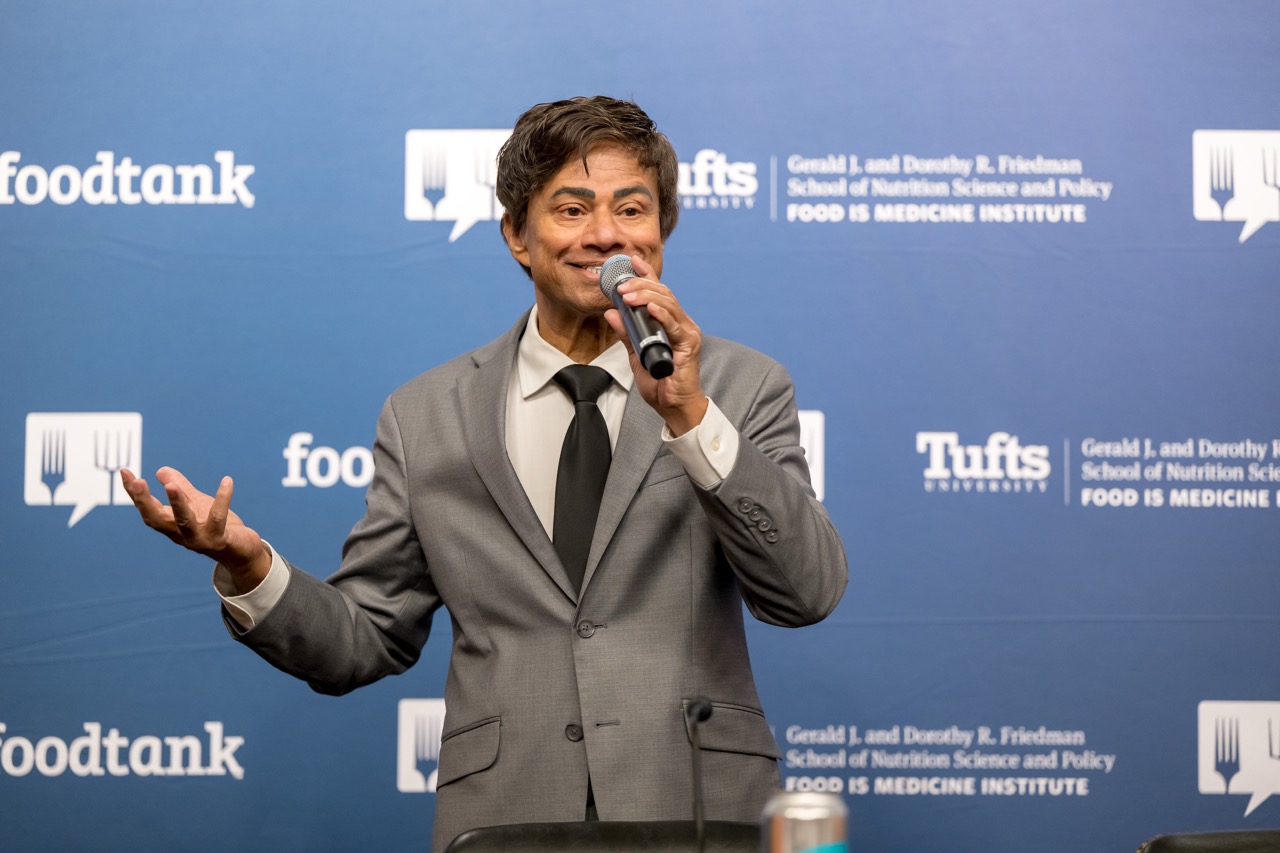
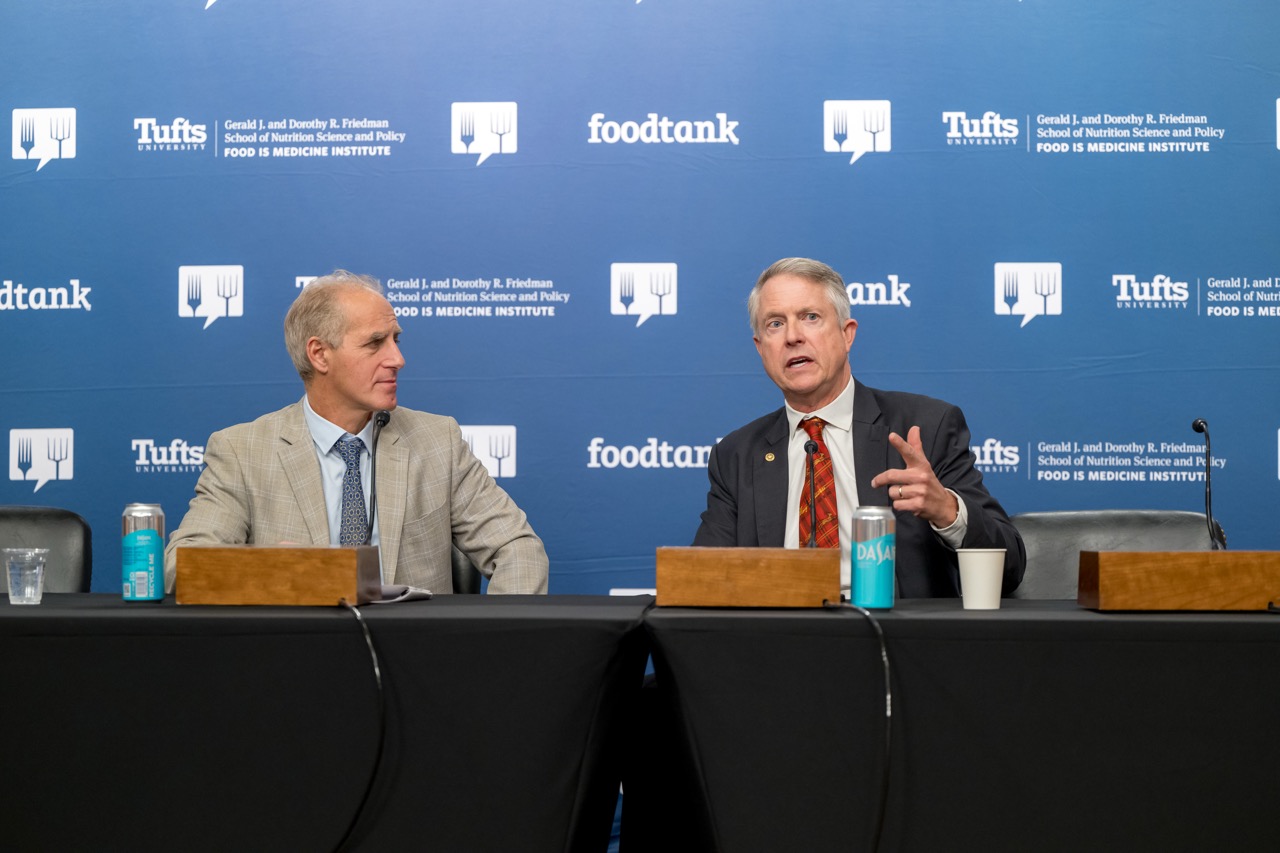
Congressional Remarks were provided by:
- U.S. Congressman Shri Thanedar
- U.S. Senator Roger Marshall
- U.S. Congressman Jonathan Jackson
- U.S. Congresswoman Maxine Dexter
Additional speakers included:
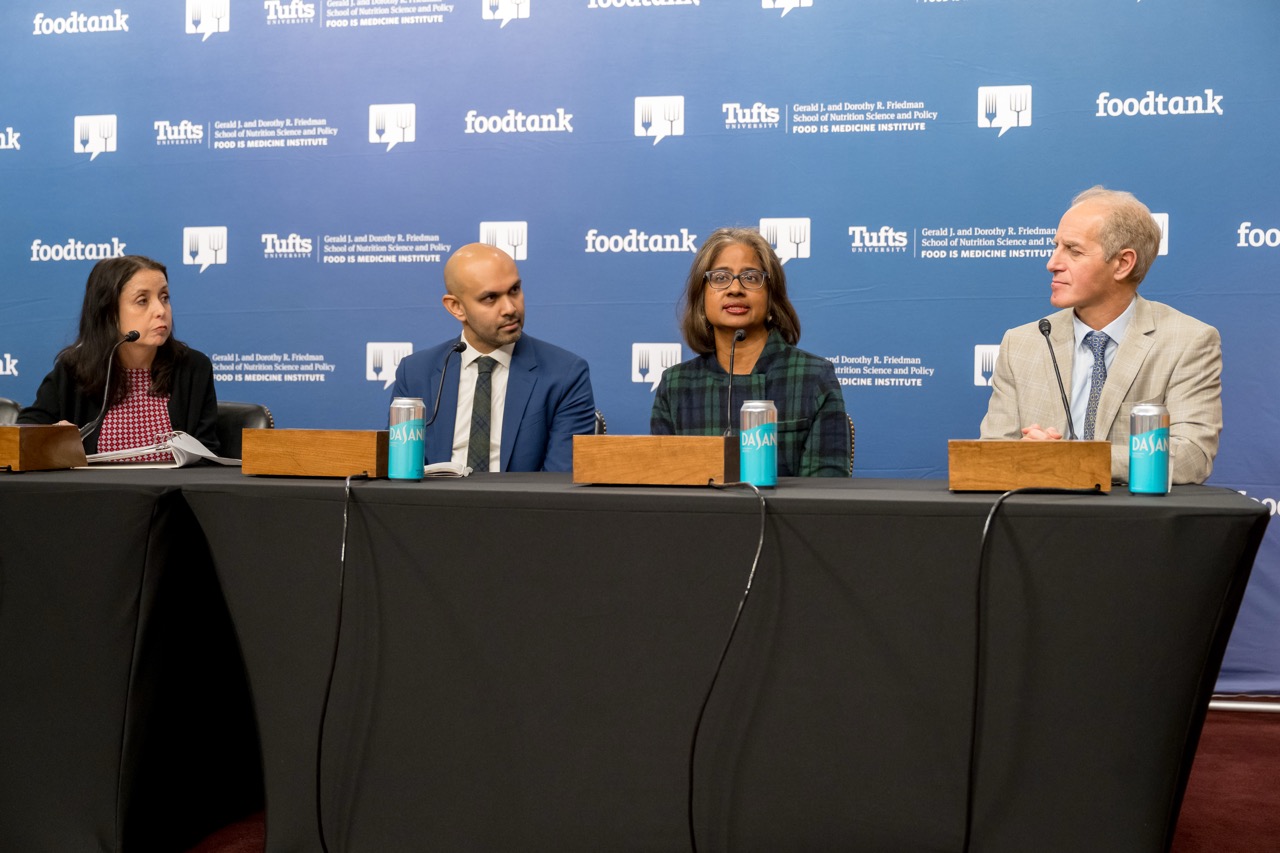
Panel 1: Science, Healthcare, and Community Action
- Anuraag Chigurupati, Chief Operating Officer, Devoted Medical
- Dariush Mozaffarian, Director, Food is Medicine Institute
- Radha Muthiah, President and CEO, Capital Area Food Bank
- Moderated by Danielle Nierenberg, President, Food Tank
Panel 2: State and Federal Policy
- Kyle Diamantas, Deputy Commissioner for Human Foods, FDA
- Robert Paarlberg, Adjunct Professor of Public Policy at the Harvard Kennedy School and Emeritus Professor of Political Science at Wellesley College
- Jennifer Pomeranz, Associate Professor of Public Health Policy and Management at New York University
- Arvin Singh, Secretary of the West Virginia Department of Health
- Moderated by Dariush Mozaffarian, Director, Food is Medicine Institute
Closing Keynote
- Jay Bhattacharya, Director, National Institutes of Health
- Moderated by Dariush Mozaffarian, Director, Food is Medicine Institute
Links
Gallery