
The Tufts Food Compass
Turning complex nutrition science into one easy‑to‑use score

What is the Food Compass Score?
The Food Compass Score is a single score, ranging from 1 to 100, that summarizes the healthfulness of a food based on 54 attributes across 9 health-relevant domains. Foods can generally be sorted into three categories based on their scores:
- 70–100: foods to encourage
- 31–69: foods to eat in moderation
- 1–30: foods to minimize
The Food Compass algorithm is publicly available and free to use.
Why We Developed Food Compass
Many tools aim to rate the healthfulness of foods, often to enable product comparisons, provide an alternative to nutrition labels, or add more detail to warning labels. But most of these tools apply different rules to different types of foods or don’t reflect the latest nutrition science. They also commonly focus on a narrow set of nutrients (like calories, total and saturated fat, added sugar, sodium, and certain vitamins). Taken together, these approaches can cause such rating systems to miss important parts of a food’s complete nutrition. More information about the limitations of these tools can be found in our FAQs.
Food Compass was created to do better. It’s a comprehensive food scoring system that looks at foods more holistically—considering nutrients, ingredients, how foods are processed, and more—using the same approach across all food and beverage categories. The goal is to make it easier to understand the overall healthfulness of foods and to support healthier choices and informed decision‑making.
Food Compass evaluates foods based on 54 different characteristics across 9 domains, including:
| Nutrient ratios | Vitamins | Minerals |
| Food ingredients | Additives | Processing |
| Specific lipids | Fiber and protein | Phytochemicals |
What makes Food Compass different is how it brings all of this information together:
- It looks at both beneficial and harmful aspects of foods, rather than focusing only on what to limit.
- It doesn’t demonize calories; instead, it looks at the quality of a food’s calories.
- It reflects current nutrition science, including factors like processing, additives, and plant compounds that are often overlooked.
- It applies one consistent scoring system to all foods and beverages so comparisons are fair and transparent.
Together, this approach produces a single, easy‑to‑understand score that reflects the overall healthfulness of a food. Because the scoring method is transparent and publicly available, Food Compass can be used to support informed food choices, research, product reformulation, and broader efforts to improve diets and health.
The 9 Food Compass Domains
Media Coverage
Ranking Healthfulness of Foods from First to Worst
New nutrient profiling system, most comprehensive and science-based to date, clears up confusion to benefit consumers, policymakers.
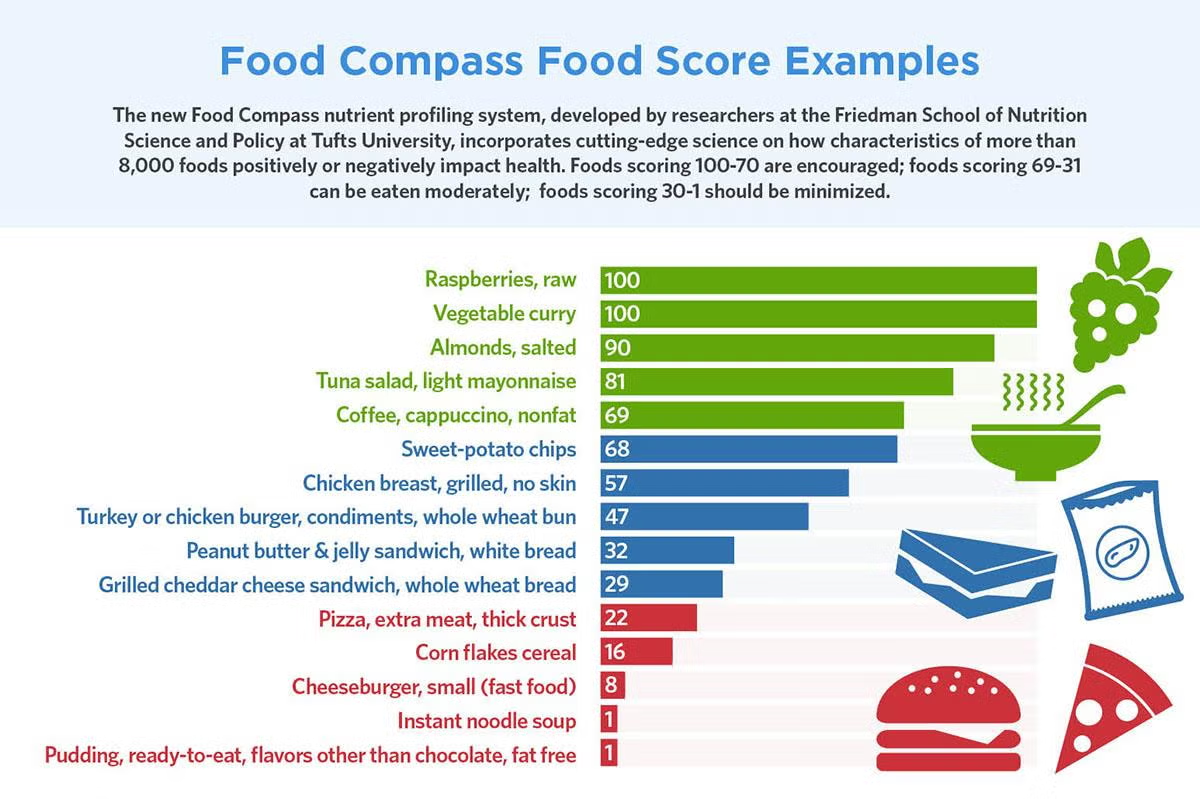
The Healthiest Foods You Can Eat, Ranked by Scientists
Researchers have developed a new tool that helps consumers choose healthy products, as well as helping food companies and restaurants produce healthier foods.
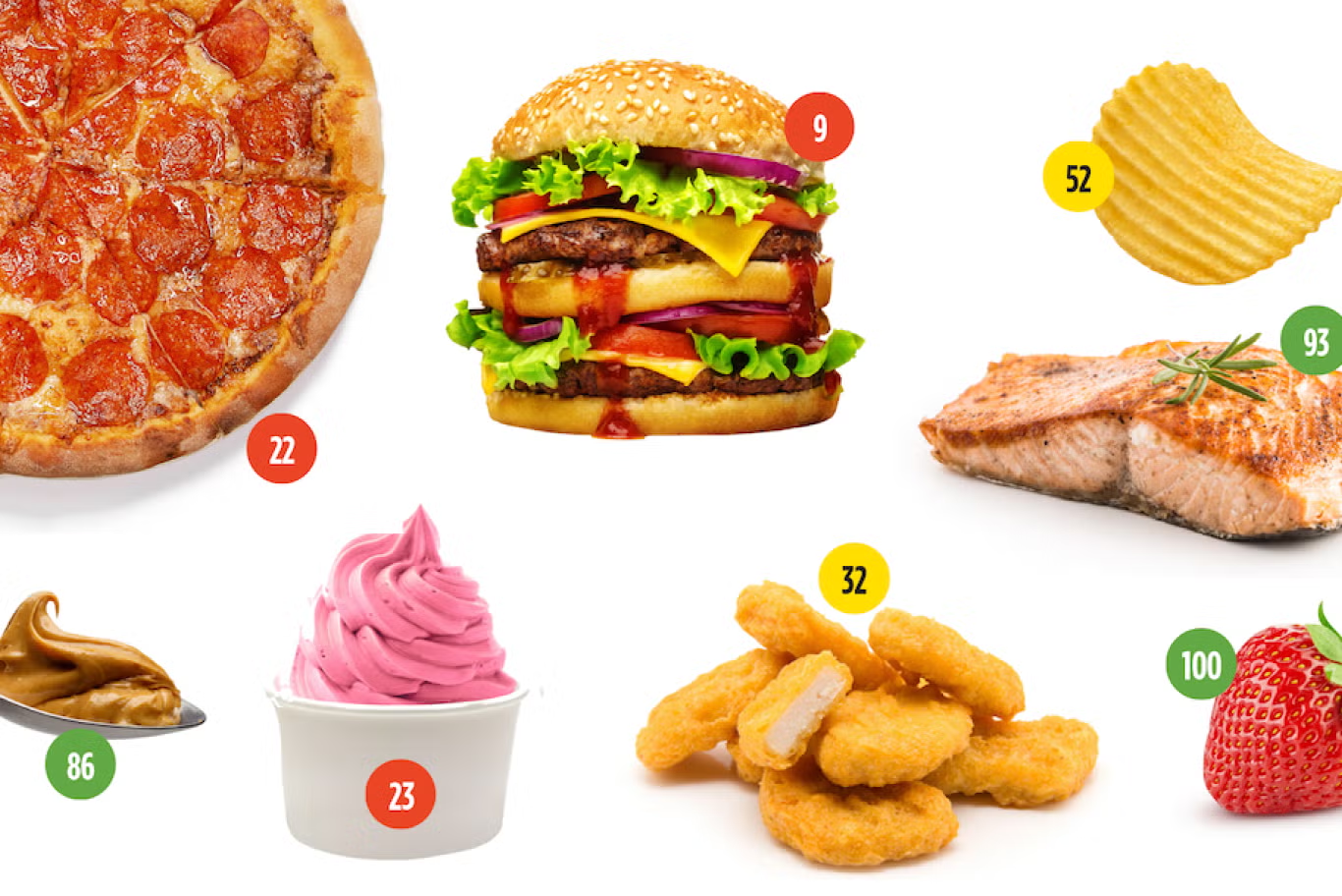
Eat Healthier With the Help of a New Food Scoring System
We all know fish and veggies are good for us, and fried and sugary treats are bad. But how good or bad are they, and what roles do they play in a healthy diet? Food Compass offers the numbers.